In industrial operations, the smallest measurement error can quietly become a costly problem—scrap increases, rework rises, downtime becomes frequent, and audit pressure grows. That is why ISO/IEC 17025 calibration is not a formality. It is a technical assurance system that protects measurement integrity and helps organizations make defensible decisions based on accurate data.
For companies across the UAE, choosing the right calibration partner is equally important. General Tech Services has been serving the UAE since 1998, building a trusted name not only in calibration services but also in the supply of industrial instruments and solutions. This long-standing presence matters because calibration is not a one-time transaction—it is an ongoing control process that affects quality, safety, and profitability year after year.
What ISO/IEC 17025 Means (In Practical Terms)?
ISO/IEC 17025 is the international standard that defines competence requirements for calibration laboratories. In practice, it ensures calibration is performed under a controlled, auditable system with:
- Traceability to recognized national/international standards
- Documented measurement uncertainty, so results can be trusted and compared
- Validated methods and controlled procedures
- Technically competent personnel and systematic quality controls
- Reliable, audit-ready certification for customer and regulatory requirements
For UAE-based manufacturers, utilities, oil & gas operators, and contractors, this is what turns calibration into a measurable business advantage rather than a compliance burden.
Why ISO/IEC 17025 Calibration Helps UAE Businesses Across Industries?
Oil & Gas, Petrochemicals, and Energy
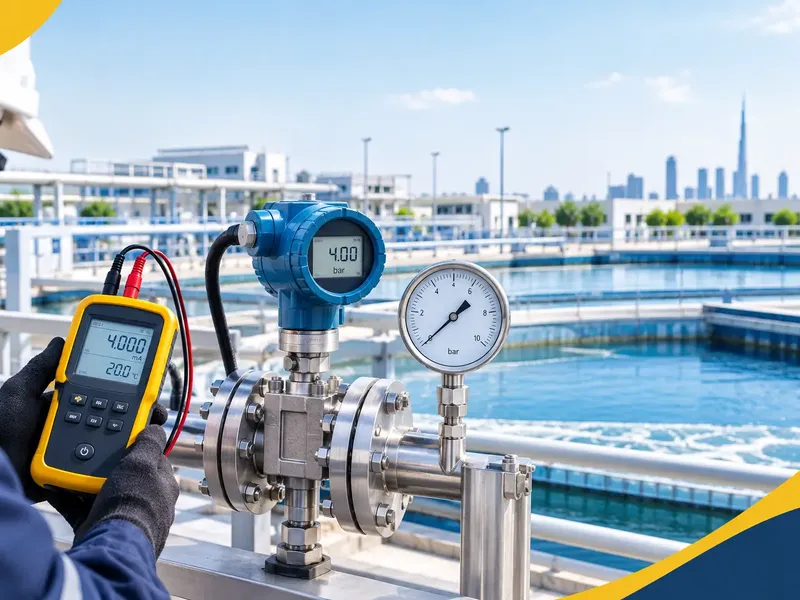
Measurements drive safety and efficiency—pressure, temperature, flow, vibration, and gas detection all influence critical decisions.
Impact of 17025 calibration:
- Fewer process deviations due to sensor drift
- Improved shutdown/turnaround readiness with defensible records
- Reduced HSE risk caused by inaccurate readings
Manufacturing, Fabrication, and Industrial Automation
In production environments, measurement errors multiply into rejects and rework.
Impact of 17025 calibration:
- Improved first-pass yield and reduced scrap
- More reliable inspection and acceptance decisions
- Stronger process capability and stable quality KPIs
Utilities, Facilities Management, and Building Services
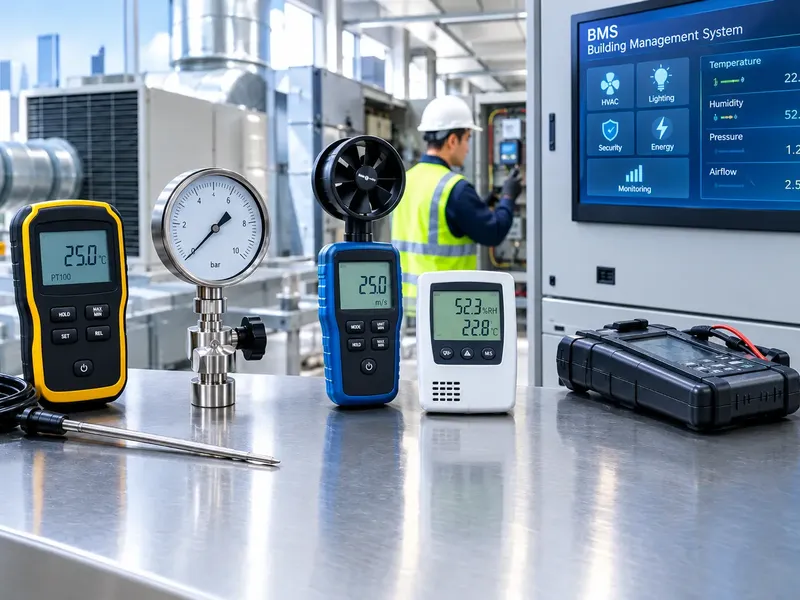
Accurate instrumentation supports monitoring, performance, and compliance.
Impact of 17025 calibration:
- Better reliability for control systems and energy management
- Reduced failures caused by undetected drift
- Stronger documentation for ISO audits and client inspections
Pharmaceuticals, Food, and Laboratories
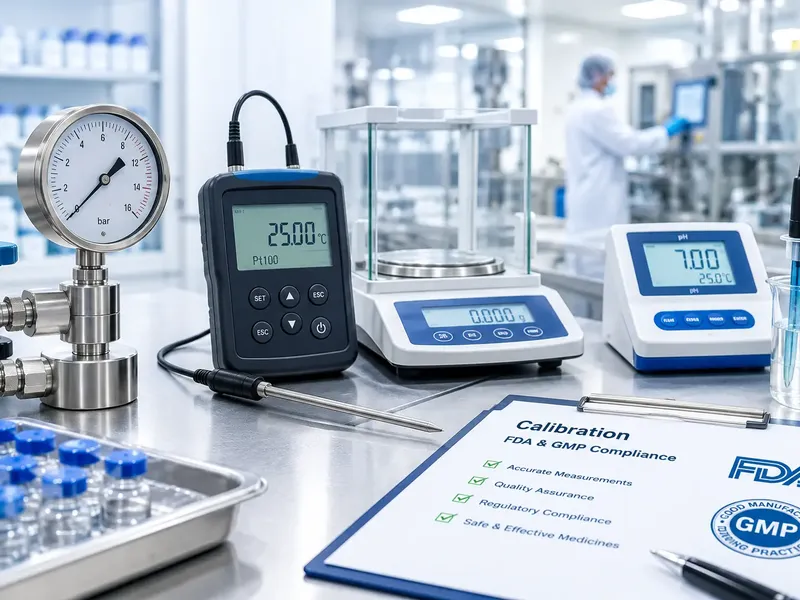
Audit readiness and traceability are non-negotiable. Temperature, humidity, and critical measurements must be defensible.
Impact of 17025 calibration:
- Reduced batch risk and fewer deviations
- Clear traceability and uncertainty reporting for audits
- Higher confidence in lab and production results
Aviation, Defense, and Precision Engineering
Tight tolerances demand stable and credible measurement systems.
Impact of 17025 calibration:
- Consistent inspection outcomes and fewer nonconformities
- Stronger supplier qualification and quality traceability
Why Paying a Premium for Quality Calibration Saves Money?
It is common to compare calibration providers by price. However, calibration is a technical risk-control service—cost should be evaluated based on total business impact, not the invoice value.
Short-Term Savings (Immediate, Measurable Benefits)
1) Reduced scrap and rework Accurate instruments prevent bad acceptance/rejection decisions and reduce process variation.
2) Less downtime and fewer instrument-related stoppages Reliable calibration helps maintenance teams identify drift early and plan corrective action proactively.
3) Faster audits and fewer nonconformities Clear, traceable certificates reduce audit time and eliminate documentation gaps.
4) Better operational decision-making When uncertainty is properly reported, QC and engineering teams can make confident decisions—especially for tight tolerances.
Long-Term Savings (Strategic Value)
1) Lower warranty claims and customer rejections Many recurring failures trace back to unreliable measurement systems.
2) Better asset life-cycle management Consistent calibration history supports trending and replacement planning.
3) Reduced compliance and contractual risk When disputes occur, defensible measurement records protect your organization.
4) Stronger continuous improvement results Lean and Six Sigma programs depend on accurate measurement data. Without it, KPI improvements can be misleading.
The Hidden Cost of Low-Quality Calibration
Low-cost calibration often results in:
- Weak traceability documentation
- Unclear or missing uncertainty reporting
- Inconsistent methods across technicians or sites
- Certificates that fail customer or regulatory audit expectations
- Limited guidance when instruments are found out-of-tolerance
The real cost is rarely the calibration fee—it is the downstream impact of decisions made using unreliable measurements.