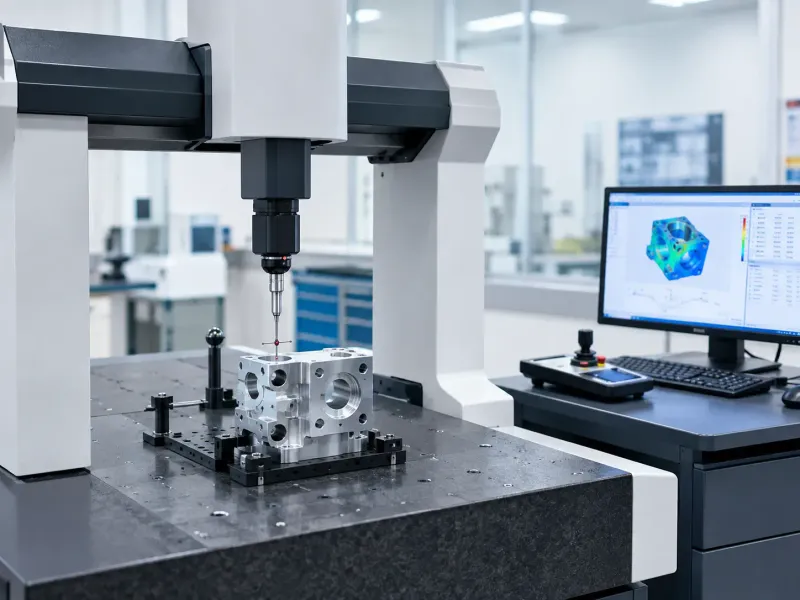
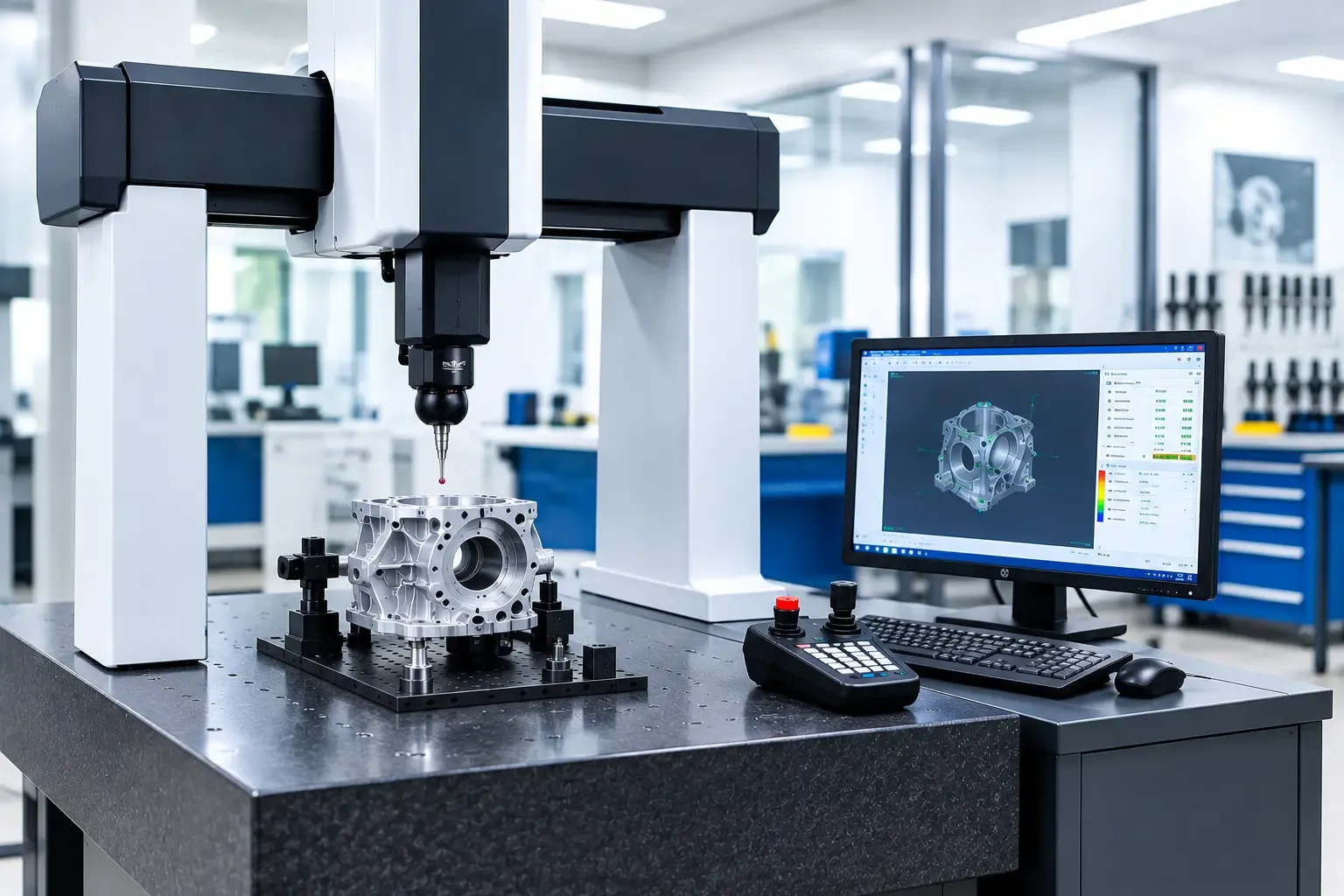
A coordinate measuring machine's granite base, structural frame, and mechanical bridge can easily outlast three generations of the electronics controlling it. That mismatch creates a genuinely wasteful situation many manufacturing facilities find themselves in: a mechanically sound CMM, capable of continuing to deliver accurate measurements for years, held back entirely by a discontinued controller, unsupported software, or an aging probing system that no longer talks to modern inspection workflows.
This is exactly the gap CMM retrofits and upgrades UAE manufacturing facilities are increasingly using to close, without the capital expense of replacing a machine that still has genuine mechanical life left in it. This guide covers what a CMM retrofit actually involves, why it makes financial sense in far more situations than people assume, and what to expect from a properly executed upgrade.
Why CMMs Age Unevenly
Coordinate measuring machines are long-term capital assets, often designed and built to remain mechanically stable and accurate for decades. The problem is that the electronics, software, and probing technology surrounding that mechanical structure age at a completely different pace, typically becoming outdated or unsupported within a fraction of the machine's actual mechanical lifespan. Outdated controllers, legacy software, aging scales, and obsolete probing systems limit performance and compatibility with modern manufacturing workflows, even when the granite table and bridge underneath are still perfectly capable of precise, repeatable movement.
This mismatch creates a genuinely wasteful default decision: facilities often assume an aging CMM needs full replacement, when in reality only the electronic and software layer has actually fallen behind.
What Actually Gets Upgraded in a CMM Retrofit
A comprehensive retrofit addresses several distinct subsystems, each contributing to the machine's overall performance and compatibility with current workflows.
Controller Replacement
Older CMMs often use discontinued or unsupported control hardware, creating genuine operational risk since a controller failure on an obsolete system can mean the machine is simply unrepairable. Replacing outdated controllers with modern motion control systems restores both reliability and access to the sensor and probing technology developed since the original controller was installed.
Software Migration
Legacy CMM software frequently lacks compatibility with modern CAD formats, reporting standards, and quality management system integration that current manufacturing workflows depend on. Software migration to a current metrology platform brings a machine's actual inspection capability up to date, even when the underlying hardware remains unchanged.
Probing System Upgrades
Aging probing systems limit both measurement speed and the range of features a CMM can practically inspect. Upgrading to current probe technology, including 5-axis probe heads and non-contact scanning options, meaningfully expands what an older machine can actually measure, often dramatically improving inspection cycle times in the process.
Scale and Encoder Replacement
Linear scales and encoders degrade over time, and replacing them alongside a controller upgrade ensures the machine's fundamental positional accuracy matches the capability of its new electronics rather than being held back by aging measurement hardware.
PolyWorks Integration: Modernizing Software Without Replacing Hardware
As an Authorized Reseller of PolyWorks®, General Tech Services provides full software migration and implementation services using one of the most globally recognized metrology software platforms available. PolyWorks allows legacy CMM hardware to operate like a modern inspection platform, eliminating the need to replace mechanically sound machines purely because their original software has fallen behind current workflow requirements.
This matters considerably for facilities running multiple CMMs from different eras or manufacturers, since PolyWorks integration can bring inconsistent legacy software environments onto a single, current platform, standardizing reporting formats and inspection workflows across an entire fleet of machines regardless of their original age or controller generation.
Why Retrofit Instead of Replace
Retrofit and upgrade solutions bring older machines to current metrology standards at a fraction of the cost of purchasing new equipment, and the case for choosing this path over full replacement generally strengthens when:
- The machine's mechanical structure, granite base, bridge, and drive mechanisms remain in genuinely sound working condition
- The primary limitations are electronic or software-based rather than mechanical wear affecting measurement accuracy
- Replacement parts or support for the current controller have become difficult or impossible to source
- The facility wants to preserve existing part programs and inspection routines built up over years of use, which a full software migration can often retain
- Capital budget constraints make a full replacement impractical in the near term, while a retrofit delivers meaningful capability improvement at a considerably lower cost
What a Properly Scoped Retrofit Assessment Looks Like
Before committing to a retrofit, a proper assessment should evaluate each major subsystem individually to determine what genuinely needs replacement versus what can be retained:
- Controller condition and support availability, determining whether continued reliance on the existing system carries genuine operational risk
- Software compatibility with current CAD formats and reporting requirements used across the facility
- Probing system capability against the facility's current and anticipated inspection needs
- Scale and encoder condition, since positional accuracy ultimately limits everything built on top of it
- Overall mechanical condition of the frame, bridge, and drive system, confirming the foundation being retrofitted is genuinely sound
This component-by-component evaluation avoids the two failure modes of a poorly scoped retrofit: replacing subsystems that didn't actually need it, or retaining components that will bottleneck the upgraded machine's overall performance.
CMM Retrofit Services Across the UAE
Explore CMM retrofit and upgrade services from General Tech Services, covering controller replacement, PolyWorks software migration, probing system upgrades, and scale replacement, designed to bring older machines up to current metrology standards without the cost of full replacement.
Once a retrofit is complete, the machine still requires the same rigorous verification as any other CMM. Our CMM calibration services, including laser tracker-based calibration unique to the UAE market, confirm the retrofitted machine's accuracy meets ISO 10360 standards before it returns to full production use.
Frequently Asked Questions
How do I know if my CMM is a good candidate for retrofit rather than replacement? A CMM is generally a strong retrofit candidate when its mechanical structure, granite base, bridge, and drive mechanisms remain in sound condition, and the primary limitations are electronic obsolescence, unsupported software, or outdated probing technology rather than mechanical wear.
Does a retrofit mean losing my existing inspection programs and part routines? Not necessarily. A properly executed software migration can often preserve existing part programs and inspection routines, particularly when using a platform designed for legacy hardware compatibility, minimizing the disruption to established workflows.
What is PolyWorks, and why does it matter for a CMM retrofit? PolyWorks is a globally recognized metrology software platform that allows legacy CMM hardware to operate like a modern inspection platform. An authorized reseller can provide full migration and implementation, bringing older machines' software capability current without needing to replace the underlying hardware.
Does a retrofitted CMM need to be recalibrated? Yes. A retrofit changes the machine's controller, scales, or probing system, all of which directly affect measurement accuracy, so full recalibration against ISO 10360 standards is essential before the machine returns to production use.
How much does a CMM retrofit typically cost compared to a new machine? While costs vary based on scope, retrofit and upgrade solutions are generally positioned to bring older machines to current standards at a fraction of the cost of purchasing new equipment, making them a genuinely cost-effective option when the underlying mechanical structure remains sound.
Closing Thoughts
CMM retrofits and upgrades UAE manufacturers are increasingly turning to solve a genuine mismatch between a CMM's long mechanical lifespan and its far shorter electronic and software lifespan. Whether replacing an obsolete controller, migrating to PolyWorks for modern inspection capability, or upgrading probing technology, a well-scoped retrofit extends the useful life of a mechanically sound machine at a fraction of full replacement cost.
To discuss a retrofit assessment for your existing CMM across the UAE, reach out through the General Tech Services contact page, or explore the full range of ISO 17025 accredited dimensional calibration services available once your retrofit is complete.