If you manage equipment in manufacturing, oil and gas, construction, healthcare, or any regulated industry in the UAE, you've probably searched for a straight answer on calibration cost in UAE and found the same response everywhere: "contact us for a quote." That's not a brush-off — calibration pricing genuinely depends on your instrument, its range, and the accuracy required. This guide breaks down exactly what drives calibration pricing in 2026, so you can budget accurately before you ever pick up the phone.
Why There's No Single Number for Calibration Cost in UAE
Calibration is not a flat-fee service, and any lab that quotes one price for "calibration" without asking about your instrument is cutting corners somewhere. Cost depends on several variables working together.
Instrument type matters most. Pressure gauge calibration is a different job to CMM calibration, which again differs from biomedical equipment or gas detector calibration. Each parameter needs its own reference standards, equipment, and technician expertise — General Tech covers 15 calibration parameters under one roof, and pricing varies across all of them.
Measurement range and precision shift the price too. A standard-range gauge costs less to calibrate than a high-precision unit used in pharmaceutical manufacturing or aerospace, because tighter tolerances demand more reference points and more technician time.
Turnaround time changes the equation. Standard 17025 calibration services in the UAE typically take 2 to 5 working days. Urgent or same-day calibration to avoid production downtime carries a premium.
On-site versus in-lab calibration also affects cost. Lab-based calibration is usually cheaper per unit, but equipment that can't be pulled off a production line needs on-site calibration, which adds technician travel time and mobile equipment into the quote.
What Drives ISO 17025 Calibration Cost UAE
ISO 17025 calibration cost UAE businesses pay reflects the accreditation overhead built into every certificate. As explained in our guide on what ISO 17025 actually involves, it's the international standard for calibration laboratory competence — and getting accredited to that standard isn't cheap for a lab. Accredited labs maintain traceable reference standards, undergo regular third-party audits, and train technicians to a documented, repeatable process.
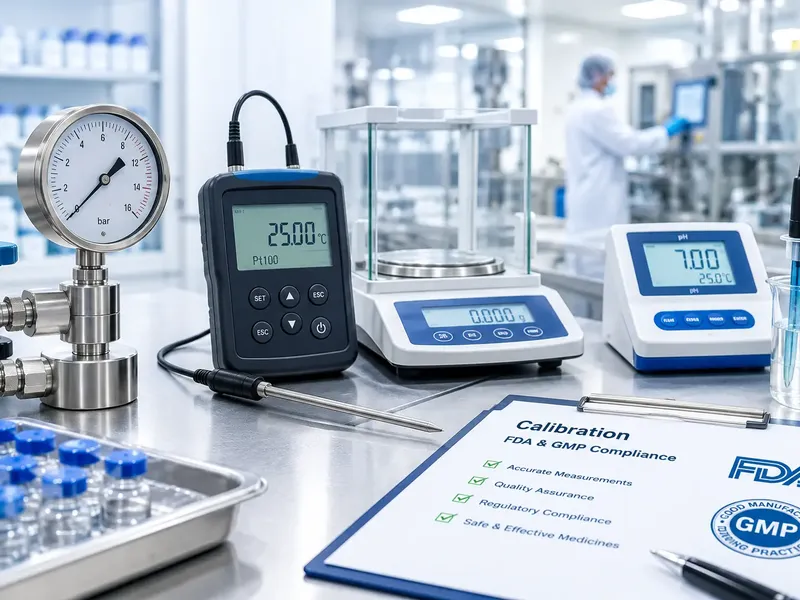
That overhead is exactly why ISO 17025 certificates cost more than an uncalibrated "as found" check from a non-accredited provider — and why the premium is worth paying. An ISO 17025 certificate is the only kind that holds up during a MoIAT inspection, an ISO 9001 audit, or a client compliance review. For regulated industries — oil and gas, aviation, healthcare, defence — a non-accredited certificate is effectively worthless for compliance, no matter how cheap it was.
In the UAE specifically, look for labs holding EIAC accreditation and ENAS recognition alongside ISO 17025. These are the accreditation bodies confirming a laboratory's certificates are traceable to national and international measurement standards and recognized across the UAE and GCC. Our article on choosing an accredited calibration laboratory covers exactly what to check before signing off on a vendor.
Typical Calibration Price List UAE 2026 Categories
While exact figures depend on your specific instrument and specs, here's how UAE calibration price list UAE 2026 pricing generally breaks down by category:
- Dimensional calibration — covers micrometers, calipers, height gauges, and CMMs. Simple hand tools sit at the lower end; CMM calibration costs more due to the complexity of geometric verification.
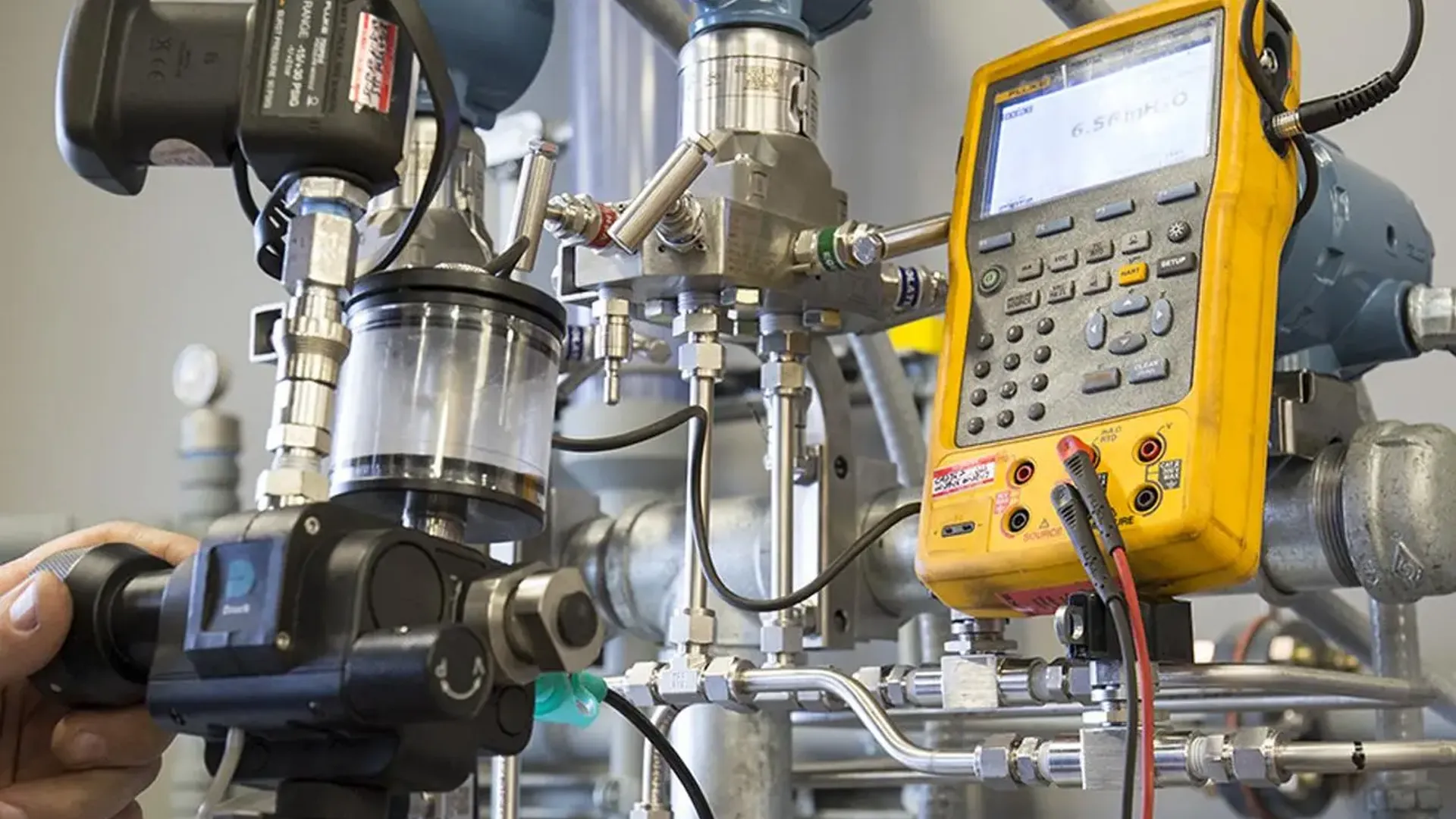
- Electrical calibration — covers multimeters, clamp meters, oscilloscopes, and power analyzers. Pricing scales with how many measurement functions (voltage, current, resistance, frequency) are verified per unit.
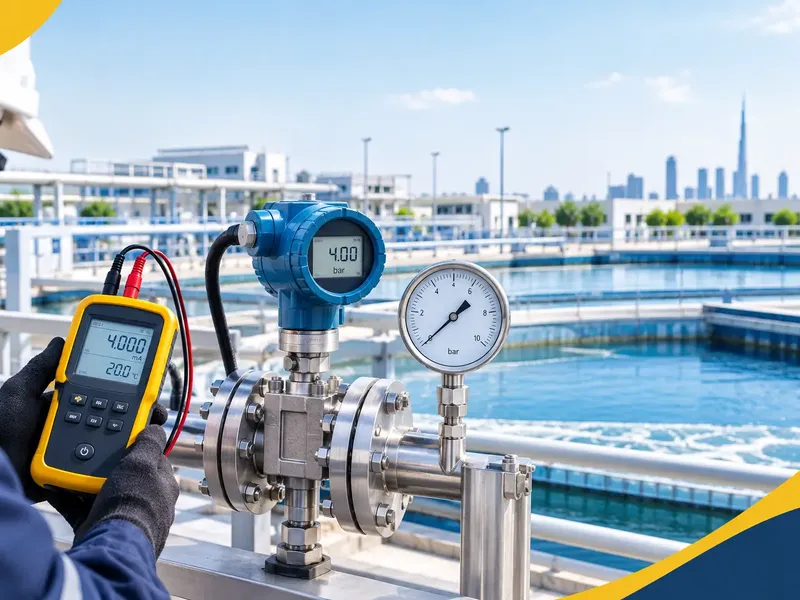
- Pressure calibration — covers gauges, transmitters, and dead weight testers. Cost increases with pressure range and required accuracy class.
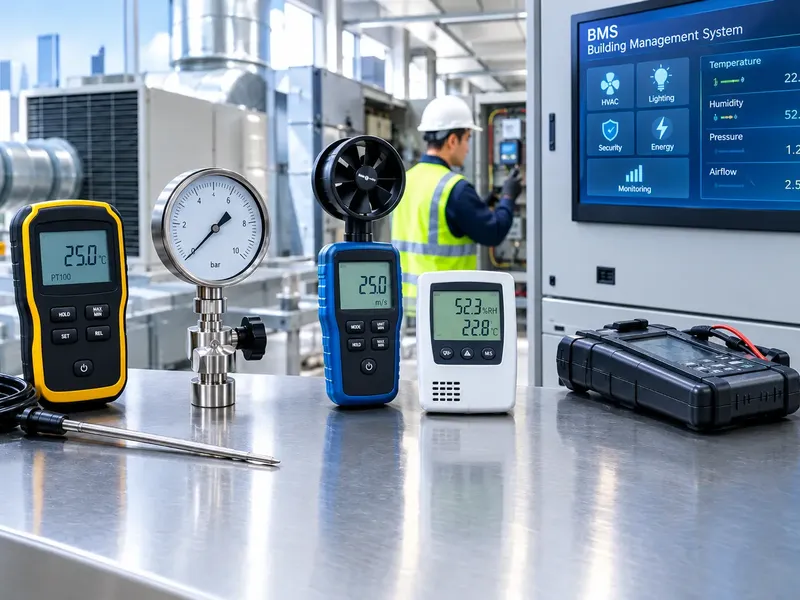
- Temperature calibration — covers RTDs, thermocouples, and thermal chambers. Multi-point calibration across a wide range costs more than a single-point check.
- Torque calibration — covers manual and hydraulic torque wrenches, transducers, and multipliers, priced against standards like ISO 6789.
- Mass, volumetric, flow, force, humidity, sound, NDT, biomedical, gas detector, and pH calibration — each has its own pricing logic based on parameter complexity and the reference equipment needed to verify it.
Because the UAE calibration market spans 15+ distinct parameters, the only reliable way to get an accurate price is to submit your instrument list and specifications for a formal quote rather than relying on a generic published rate card.
Hidden Costs to Budget For
Beyond the calibration fee itself, a few line items catch businesses off guard.
- Recalibration frequency. Most instruments need annual recalibration; high-use or safety-critical equipment may need it more often. Budget calibration as a recurring operational cost, not a one-time expense. Our calibration glossary is a useful reference if you're new to setting up a recalibration schedule.
- Collection and delivery logistics. Some labs bundle pickup into the price; others charge separately — ask upfront.
- Out-of-tolerance adjustment. If an instrument fails calibration and needs adjustment or repair, that's typically billed separately from the calibration itself.
- Certificate reissuance. Duplicate documentation for audits can carry a small fee with some providers.
How to Get an Accurate Quote
Because calibration cost in UAE varies so much by instrument and parameter, the fastest way to budget accurately is to request a quote with your full instrument list — make, model, measurement range, and required accuracy class. A lab that asks detailed questions before quoting is a good sign: it means they're pricing your actual job, not handing you a generic number that changes once they see the equipment.
If you're still building out your understanding of the process itself, our explainer on what calibration is and why it matters is a good starting point before you request pricing.
Why Accreditation Should Outweigh Price Alone
It's tempting to choose the lowest quote, but for manufacturing, oil and gas, construction, engineering, laboratory, healthcare, power and utility, and facility management businesses operating under regulatory oversight, the cheapest calibration is often the most expensive mistake. A certificate from a non-accredited lab can fail an audit, void warranty claims, or — in safety-critical sectors like aviation, defence, and healthcare — create real risk.
When comparing quotes, check the provider holds EIAC accreditation, ISO 9001 certification, and ENAS recognition, and confirm they can issue certificates traceable to national and international standards across the full range of parameters your business needs.
General Tech Services has delivered EIAC-accredited ISO 17025 calibration services across Dubai, Abu Dhabi, Sharjah, and all seven emirates since 1998, covering all 15 calibration parameters under one roof with a fleet of 35+ service vehicles for fast on-site support. Request a free quote today to get accurate pricing for your specific equipment.
Frequently Asked Questions
How much does calibration cost in UAE on average? There's no single average — cost depends on instrument type, measurement range, required accuracy, and whether calibration is done on-site or in-lab. A simple pressure gauge costs far less than a multi-point CMM calibration. Submitting your instrument specs for a formal quote is the only way to get an accurate figure.
Why is ISO 17025 calibration more expensive than non-accredited calibration? ISO 17025 calibration cost UAE providers charge reflects the lab's accreditation overhead — traceable reference standards, regular third-party audits, and trained technicians following a documented process. Non-accredited certificates are cheaper but won't hold up during a MoIAT inspection or client compliance audit.
How often do I need to budget for recalibration? Most instruments need annual recalibration, though high-use or safety-critical equipment may need more frequent checks. Treat calibration as a recurring line item in your maintenance budget rather than a one-off cost.
Does on-site calibration cost more than sending equipment to a lab? Generally yes, because on-site work adds technician travel time and mobile calibration equipment to the job. However, it can be more cost-effective overall if removing equipment from a production line would cause costly downtime.
What's the difference between a calibration price list and an actual quote? A price list gives general ranges by category, but actual cost depends on your specific make, model, range, and accuracy class. An accredited lab will always confirm final pricing after reviewing your instrument details — that's a sign of accurate, job-specific quoting rather than a generic rate.