If your business relies on measurement equipment, you've probably faced this decision at some point: should calibration happen at your facility, or should the equipment be sent to a lab?
The choice between on-site vs in-lab calibration UAE businesses face isn't just about convenience — it affects turnaround time, accuracy, cost, and in some cases, whether equipment can even be taken offline without disrupting operations.
This guide breaks down how each method works, when one makes more sense than the other, and what to weigh before deciding, based on how calibration is actually delivered across UAE industries.
What Is On-Site Calibration
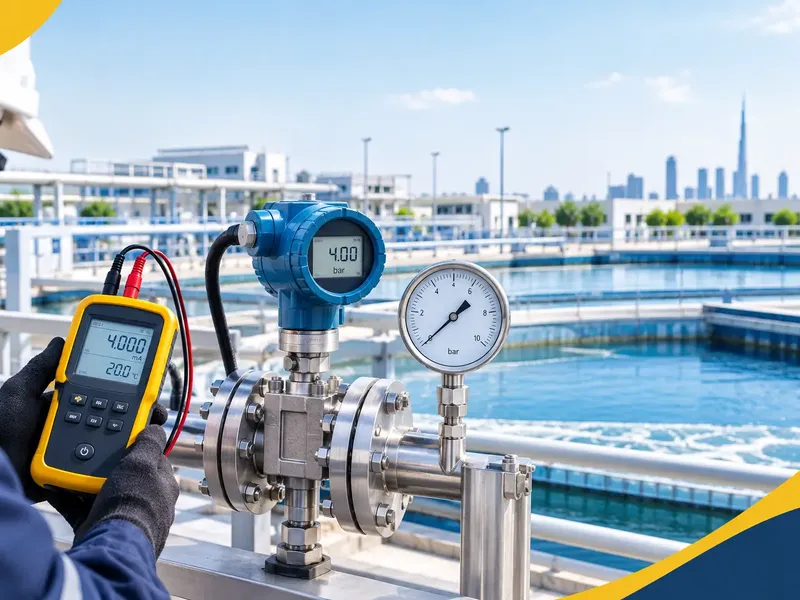
On-site calibration means a certified technician comes to your facility and calibrates your equipment where it's installed, without removing it from operation. This is common for large or fixed equipment that's impractical to transport, such as CMMs, industrial ovens, compression machines, or permanently mounted instruments.
Onsite calibration services UAE providers typically bring portable reference standards and testing equipment directly to your site, allowing calibration to happen with minimal disruption to your workflow.
What Is In-Lab Calibration
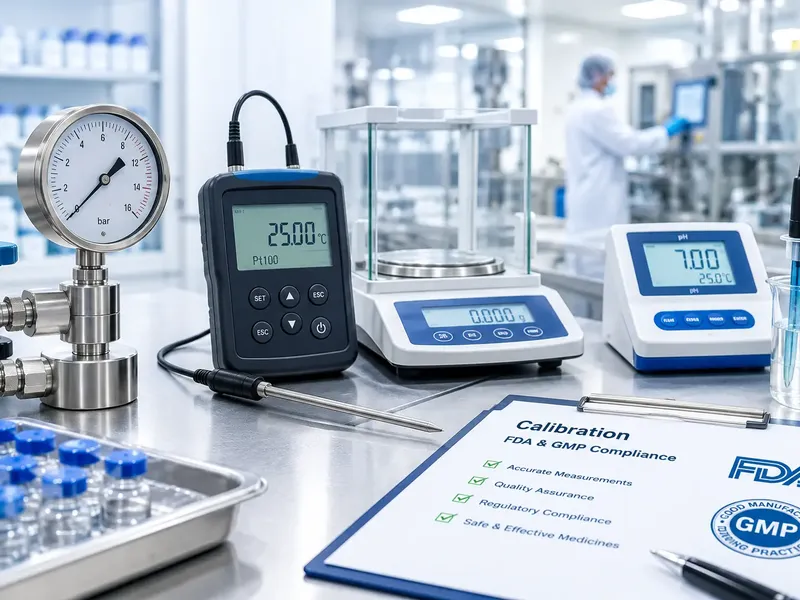
In-lab calibration involves sending your equipment to an accredited calibration laboratory, where it's tested under controlled environmental conditions using precision reference standards that aren't always practical to transport.
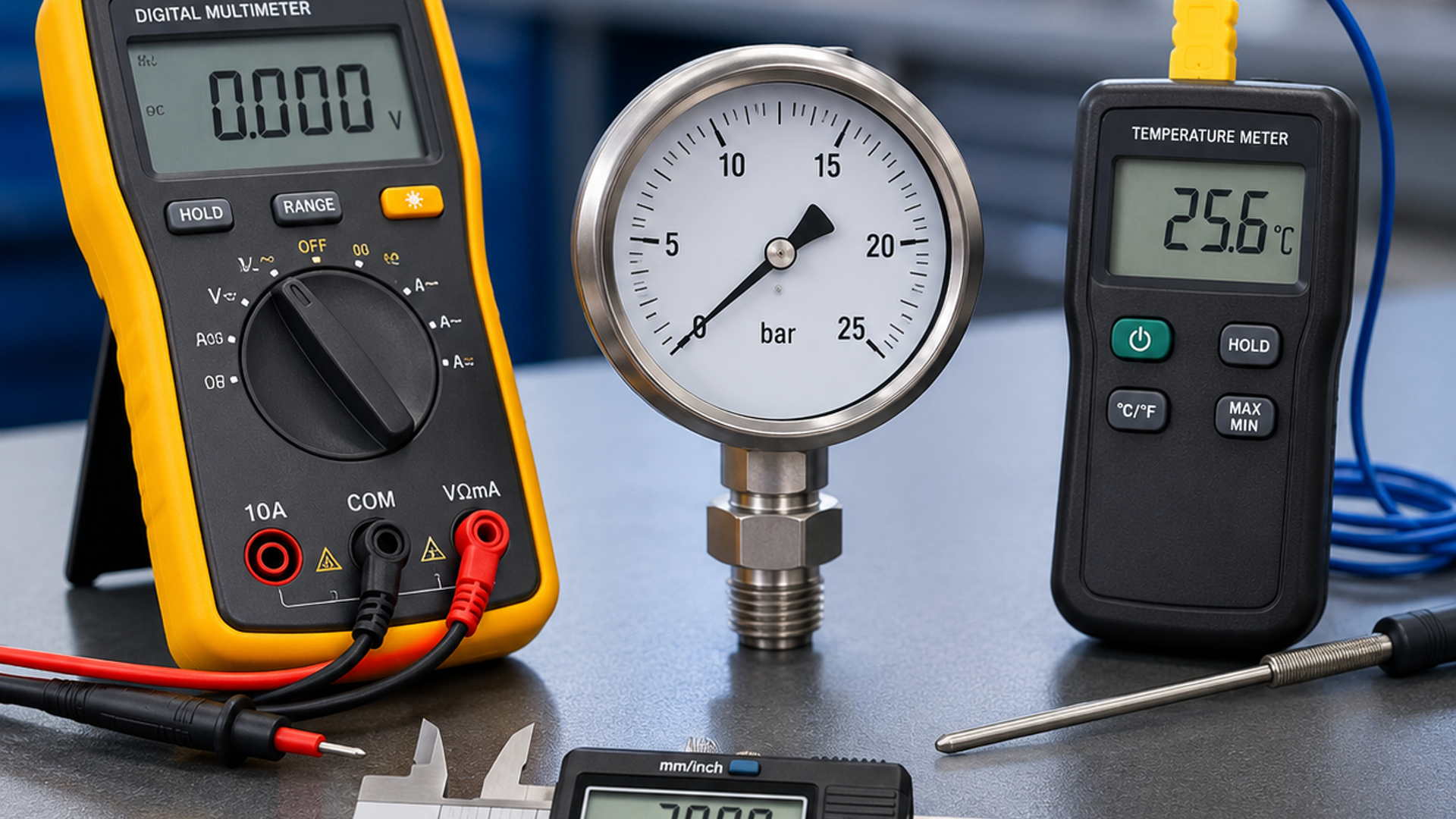
This approach is generally preferred for smaller, portable instruments like micrometers, calipers, pressure gauges, and multimeters, where lab-grade conditions can produce more precise, repeatable results than a site visit would allow.
Key Differences Between On-Site and In-Lab Calibration
Environmental Control
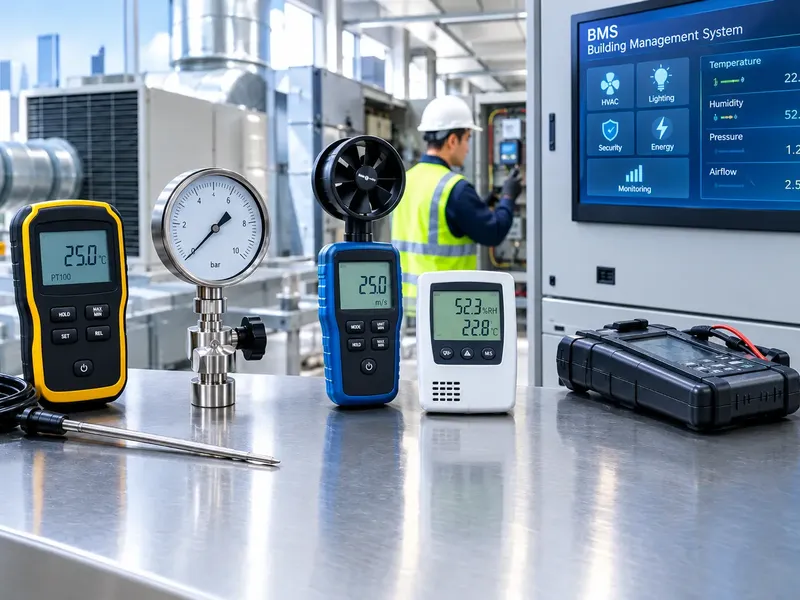
Labs offer controlled temperature, humidity, and vibration-free conditions, which matter significantly for high-precision dimensional and electrical calibration. On-site calibration works within your facility's existing environment — usually fine for less sensitive equipment, but it can affect accuracy for highly precise instruments.
Equipment Downtime
On-site calibration keeps large or fixed equipment in place, reducing downtime for operations that can't afford to remove critical machinery. In-lab calibration requires shipping equipment out, which means planning around transit and lab turnaround time.
Turnaround Time
On-site visits are often scheduled and completed within a day, depending on the scope of equipment involved. In-lab calibration can take longer due to transport logistics, though labs often process higher volumes more efficiently once equipment arrives.
Cost Considerations
On-site calibration may involve travel and setup costs, especially for facilities outside major cities. In-lab calibration can be more cost-effective for smaller instruments, particularly when multiple items are sent together in one batch.
Precision Requirements
For equipment requiring traceability to tight tolerances, ISO 17025 calibration UAE labs generally deliver more consistent results due to controlled conditions and dedicated reference standards — something field conditions can't always replicate.
When to Choose On-Site Calibration
On-site calibration tends to be the better fit when:
- Equipment is too large, heavy, or fixed to transport, such as compression machines, ovens, or furnaces
- Operations can't tolerate equipment downtime
- Multiple instruments across a facility need calibration in a single visit
- Equipment is part of an active production line that can't be paused for shipping
This is also a practical option for facilities managing large volumes of dimensional or electrical instruments, since consolidating calibration into a mobile calibration service Dubai visit reduces coordination overhead considerably.
When to Choose In-Lab Calibration
In-lab calibration is generally the stronger choice when:
- Instruments are portable and easy to ship, such as gauges, calipers, or multimeters
- The application demands the highest possible precision, where controlled lab conditions matter most
- Equipment requires specialized reference standards not practical to bring on-site
- You need calibration for instruments tied to strict compliance requirements, such as electrical calibration under ESMA or DEWA standards
For businesses across the Emirates, a calibration lab Abu Dhabi or Sharjah-based facility with proper accreditation ensures traceability back to recognized national and international standards — a factor that matters more than convenience for audit-sensitive industries.
Why Accreditation Matters Either Way
Whether you choose on-site or in-lab calibration, the accreditation behind the service matters just as much as the method itself. As we've covered in why choosing an accredited calibration laboratory matters, ISO/IEC 17025 accreditation isn't a formality — it's a technical assurance system that protects measurement integrity and supports defensible data across audits and quality systems.
If you're unfamiliar with how this standard differs from broader quality certifications, our breakdown of what ISO 17025 is and how it compares to ISO 9001 explains the distinction in practical terms.
A calibration certificate UAE businesses receive should always be traceable to internationally recognized standards, regardless of whether the work was done at your facility or in a lab. This matters particularly for industries like manufacturing, aerospace, oil and gas, and precision engineering, where measurement errors can lead to costly rework or compliance issues.
How General Tech Services Supports Both Options
General Tech Services offers both on-site and in-lab calibration across the UAE, giving businesses flexibility based on equipment type and operational needs. Our EIAC-accredited calibration services cover instrument calibration UAE requirements across electrical, pressure, dimensional, flow, and NDT categories, while our mobile calibration teams handle on-site visits for equipment that can't be moved.
For specialized needs like pressure vessel testing or specific pressure gauge calibration, our pressure calibration services can be arranged as part of either an on-site or in-lab visit, depending on equipment type.
This dual capability means you're not locked into one approach. A facility might send portable gauges to our lab while scheduling on-site calibration for fixed equipment like CMMs or ovens — all coordinated through a single provider.
Frequently Asked Questions
What is the main difference between onsite and lab calibration?
On-site calibration happens at your facility without removing equipment, while in-lab calibration involves sending instruments to a controlled lab environment for testing against precision reference standards.
Is on-site calibration as accurate as in-lab calibration?
For most standard equipment, yes. However, highly precise instruments often benefit from the controlled environmental conditions only a lab can provide.
Which option is more cost-effective?
It depends on equipment size and volume. On-site calibration reduces downtime for large equipment, while in-lab calibration can be more economical for smaller, portable instruments sent in batches.
How do I know if my calibration certificate is valid across the UAE?
Look for ISO/IEC 17025 accreditation, which confirms the calibration meets internationally recognized standards for traceability and technical competence.
Can I combine on-site and in-lab calibration for different equipment?
Yes. Many businesses use both — sending portable instruments to a lab while scheduling on-site visits for fixed or heavy equipment.
Choosing the Right Calibration Approach
Deciding between on-site vs in-lab calibration UAE options ultimately comes down to your equipment type, precision requirements, and how much downtime your operations can absorb. In many cases, the right answer isn't choosing one over the other, but using both strategically.
Get in touch with General Tech Services to discuss which calibration approach fits your equipment and industry requirements.