In most industries, a miscalibrated instrument means a bad measurement. In healthcare, it can mean a missed diagnosis, an incorrect medication dose, or a treatment decision built on inaccurate data. Few sectors carry the same weight when a piece of equipment quietly drifts out of tolerance.
This is why calibration services for healthcare & hospitals in UAE facilities rely on need to meet a higher standard of traceability and documentation than general industrial calibration. This article covers which equipment categories matter most, what regulators and accreditation bodies expect, and how hospitals and clinics across the UAE can build a defensible calibration program.
Why Calibration Matters More in Healthcare Settings
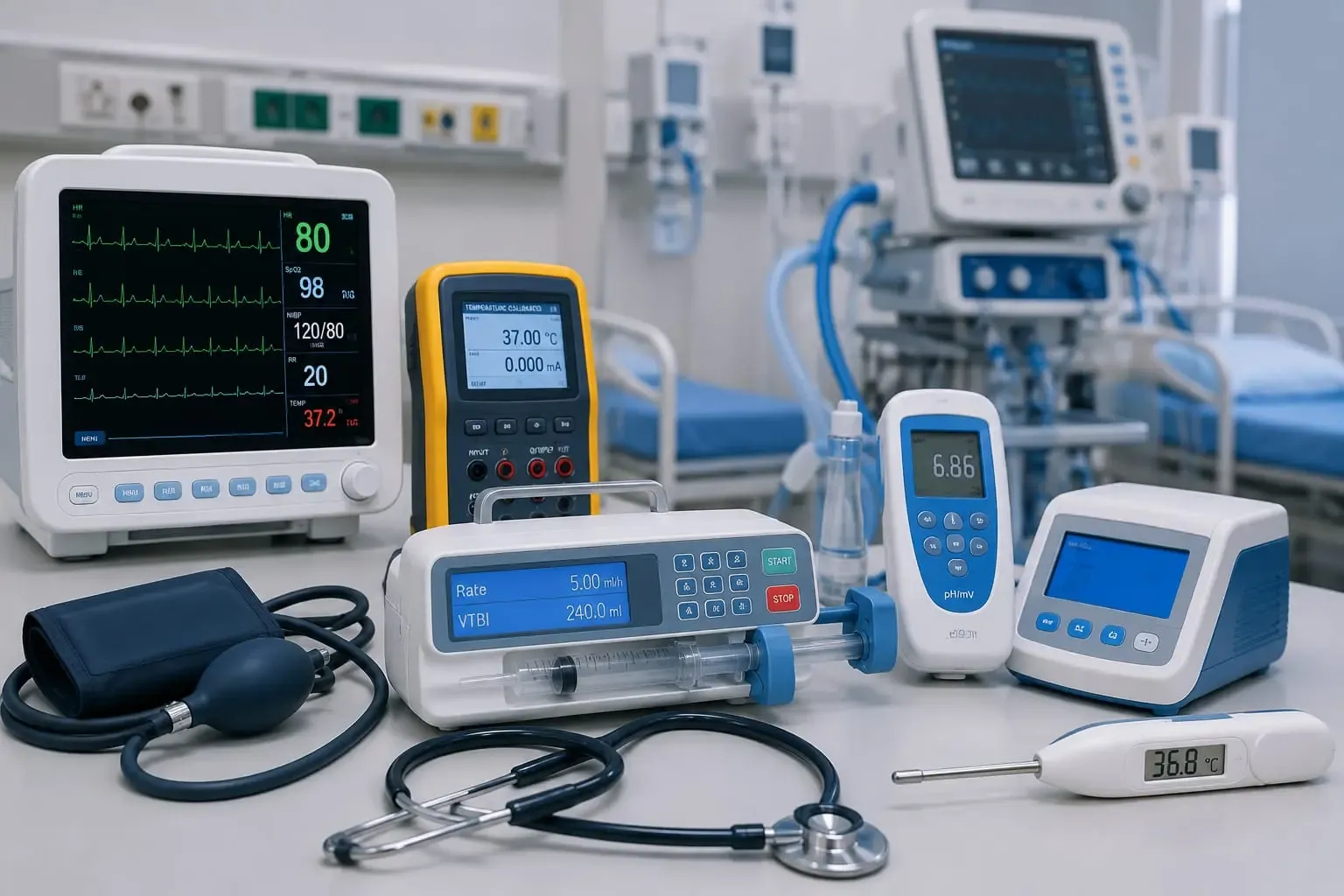
Medical equipment calibration carries consequences that extend directly to patient safety, which sets it apart from most other calibration contexts:
- Inaccurate patient monitors can misrepresent vital signs, delaying intervention or triggering unnecessary ones
- Miscalibrated infusion pumps and dosing equipment can lead directly to medication errors
- Faulty temperature control in medical refrigeration can compromise vaccines, blood products, and medications without any visible sign of failure
- Diagnostic equipment operating outside tolerance can produce results that lead to missed or incorrect diagnoses
Because so many of these failures are silent until something goes wrong, healthcare facilities cannot rely on equipment simply appearing to function normally as evidence that it is measuring accurately.
Equipment Categories That Require Regular Calibration
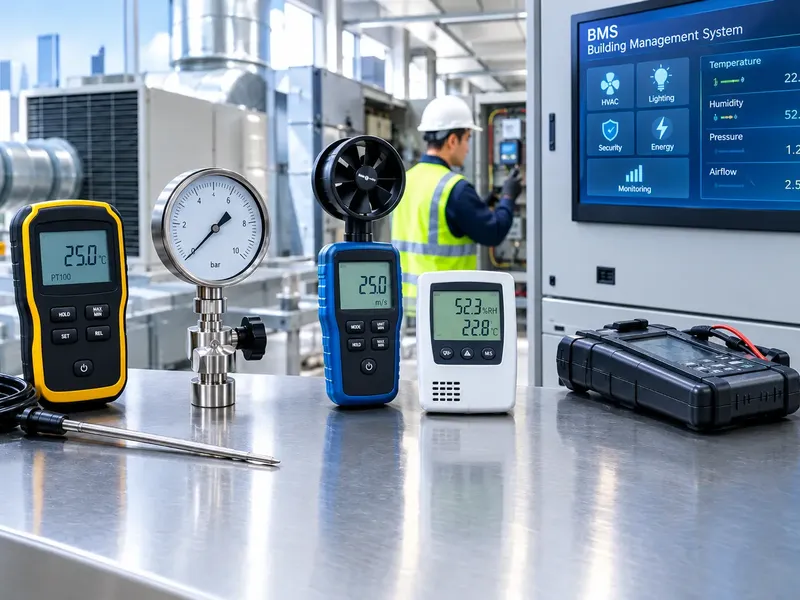
Hospitals and clinics rely on a wide range of measurement equipment, much of it overlapping with standard industrial calibration disciplines even though the application is medical:
Temperature-Sensitive Equipment
Medical refrigerators, freezers, incubators, and autoclaves all depend on accurate temperature control. A refrigerator storing vaccines or blood products that drifts even a few degrees outside its validated range can compromise everything stored inside without any visible indication. Our temperature calibration services cover this equipment category, along with the thermometers and temperature probes used throughout clinical and laboratory settings.
Electrical and Diagnostic Test Equipment
Biomedical engineering departments rely on multimeters, electrical safety analyzers, and related test equipment to verify that patient-connected devices meet electrical safety standards before use. Our electrical calibration services cover the multimeters and general test instruments biomedical teams depend on for this verification work.
Pressure-Based Medical Equipment
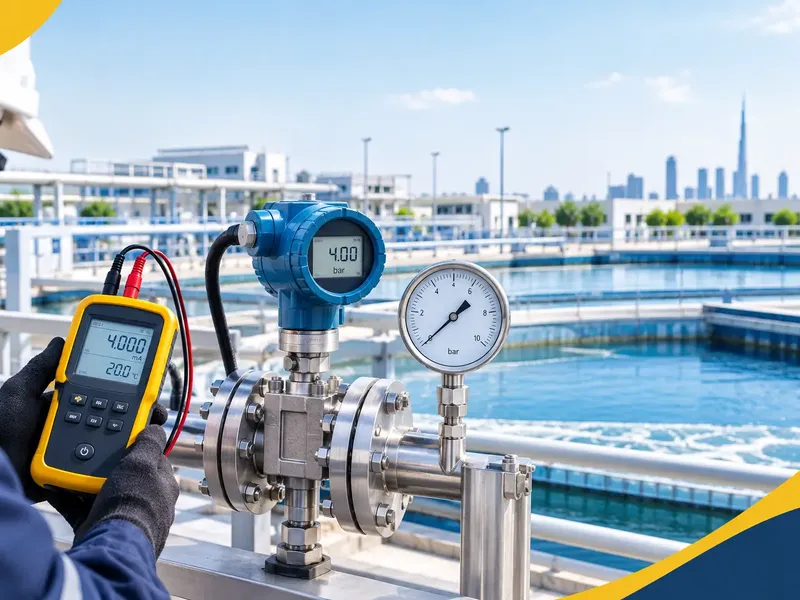
Autoclaves, sterilizers, and certain respiratory equipment rely on accurate pressure measurement to function correctly and safely. Pressure verification here follows the same rigorous calibration principles used in industrial pressure gauge calibration, adapted to the specific ranges and tolerances medical sterilization equipment requires.
Weighing and Dimensional Equipment
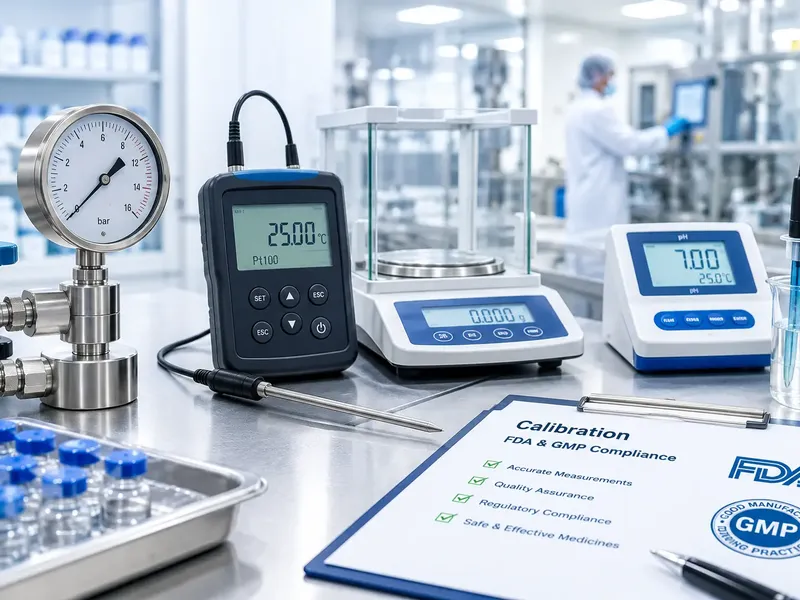
Laboratory balances, patient scales, and dosing equipment all depend on weight and dimensional accuracy. Even small deviations in laboratory balance calibration can affect diagnostic test results or medication compounding accuracy in hospital pharmacies.
Why ISO 17025 Accreditation Matters More in Healthcare Contexts
Healthcare facilities across the UAE operate under scrutiny from multiple directions: internal quality committees, national health authorities, and often international accreditation bodies as well. A calibration certificate without proper accreditation behind it does not hold up under this level of review.
Working with a laboratory accredited to ISO/IEC 17025 by EIAC means:
- Reference standards used for calibration are traceable to national or international metrology standards
- Every certificate includes a documented measurement uncertainty, critical for equipment operating near safety thresholds
- The laboratory itself has been independently assessed for technical competence, not just self-declared
- Calibration methods are validated and consistently applied across visits and equipment types
General Tech Services operates an EIAC and ENAS accredited ISO 17025 calibration laboratory from its Sharjah headquarters, performing more than 33,000 traceable calibrations annually across 15 disciplines, and has supported medical sector clients alongside its work across utilities, education, facilities management, and marine and offshore industries.
Building a Calibration Schedule for a Healthcare Facility
A structured approach works far better than reactive, as-needed calibration in a hospital or clinic setting:
- Inventory all measurement-critical equipment across departments, from biomedical devices to laboratory instruments to facilities equipment like autoclaves and cold storage
- Assign calibration intervals based on manufacturer recommendations and criticality, with shorter intervals for equipment directly affecting patient safety
- Prioritize equipment feeding directly into diagnosis, dosing, or sterilization processes for the tightest calibration cycles
- Maintain centralized, audit-ready documentation rather than scattered records across departments
- Build in immediate recalibration triggers after equipment relocation, servicing, or any suspected inaccuracy
On-Site Calibration for Hospital Environments
Many pieces of hospital equipment cannot be easily removed from service without disrupting patient care or operational continuity. On-site calibration services allow technicians to bring calibrated reference standards directly to the facility, performing verification without pulling critical equipment out of rotation for extended periods. This is particularly valuable for fixed equipment like autoclaves, cold storage units, and larger diagnostic systems that are impractical to transport to an off-site laboratory.
What a Healthcare Calibration Certificate Should Include
For audit and compliance purposes, a calibration certificate covering medical or healthcare-adjacent equipment should clearly state:
- The specific equipment type, make, model, and identifying details
- Measurement results at each tested point compared against the reference standard
- Stated tolerance and pass or fail status
- The measurement uncertainty associated with the result
- Traceability details for the reference standards used
- The accreditation body and standard the issuing laboratory operates under
Facilities preparing for internal audits or external accreditation reviews should be able to produce this documentation for every calibration-critical instrument on request, not just locate a certificate after searching through department files.
Common Gaps Healthcare Facilities Should Watch For
A few recurring issues tend to surface during audits of healthcare calibration programs:
- Equipment calibrated by uncertified providers without proper accreditation behind the certificate
- Inconsistent calibration intervals across departments, with some equipment overdue and untracked
- Missing documentation for equipment that has been serviced, repaired, or relocated since its last calibration
- Temperature-sensitive storage equipment monitored only through built-in displays rather than independently verified against traceable reference standards
Centralizing calibration under a single accredited provider, rather than sourcing it separately across departments, is generally the most effective way to close these gaps.
Frequently Asked Questions
How often should hospital equipment be calibrated? Intervals vary by equipment type and criticality, but many devices require at minimum annual calibration, with more frequent verification for equipment directly tied to patient safety, such as infusion pumps, patient monitors, and sterilization equipment.
Does medical equipment calibration require different accreditation than industrial calibration? The underlying accreditation standard, ISO/IEC 17025, is the same, but the calibration methods, tolerance requirements, and documentation expectations are typically more stringent given the direct patient safety implications involved.
Can calibration be performed without removing equipment from a hospital ward? In many cases, yes. On-site calibration allows technicians to verify equipment in place, which is particularly important for larger or fixed devices that cannot be easily transported without disrupting patient care.
What happens if medical equipment fails calibration? The equipment is documented as out of tolerance, and depending on severity, may need adjustment, repair, or removal from service until it can be verified as accurate again. This decision should follow the facility's documented quality procedures.
Who is typically responsible for managing calibration schedules in a hospital? This usually falls to the biomedical engineering department or a designated medical equipment service provider, often working alongside facilities management for equipment like autoclaves and cold storage that sits outside strictly biomedical categories.
Closing Thoughts
Calibration services for healthcare & hospitals in UAE facilities depend on protect something that cannot be recovered after the fact: patient trust and patient safety built on accurate measurement. Whether the equipment in question is a laboratory balance, a medical refrigerator, or the electrical test equipment biomedical teams use daily, working with an accredited, traceable calibration partner keeps that foundation solid.
To schedule calibration for healthcare, laboratory, or facilities equipment across the UAE, you can request a quote through the General Tech Services contact page, or explore the full range of ISO 17025 accredited calibration disciplines covering temperature, electrical, pressure, and dimensional measurement.